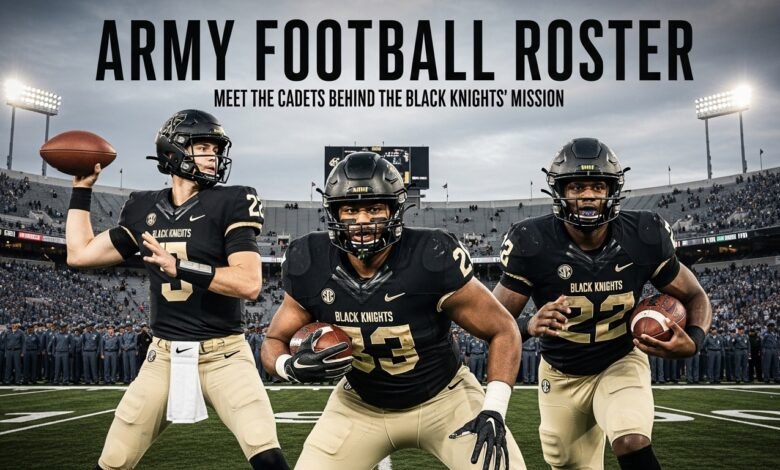
Army football has always stood for more than just wins and losses. It’s a team built on honor, toughness, leadership, and deep pride in representing the U.S. Military Academy at West Point. When you look at the army football roster, you’re not just reading names—you’re learning about student-athletes who are preparing to serve our country as future Army officers.
Each season, fans can’t wait to check out the Army football roster to see who’s returning, which new cadets are stepping up, and how the full team looks heading into game day. From experienced captains to fresh-faced plebes (first-year cadets), every spot on the roster matters.
In this guide, you’ll meet the players, understand the positions, and get real insights into how the Army football roster comes together. Whether you’re a loyal Army fan, a proud parent, or just curious about how the team works, we’ll walk you through everything with simple, clear, and friendly explanations.
Let’s huddle up and break down the brigade behind the Black Knights.
What Makes the Army Football Roster Unique?
Unlike most college football teams, the Army football roster is made up of cadets who are training to serve in the U.S. Army. These cadet-athletes balance a full military and academic workload while practicing and competing at the NCAA Division I level.
That means:
- They wake up early for physical and military training
- Attend tough academic classes
- Practice football daily
- Follow strict codes of conduct and leadership
Each player is more than an athlete. They represent the U.S. Military Academy with pride and purpose—even after their football career ends.
This structure and discipline make Army teams known for their team-first mindset, mental toughness, and unmatched work ethic.
How the Army Football Roster Is Built
The Army football roster is different from most college teams. Since West Point has no athletic scholarships, players come as recruited student-athletes or walk-ons. Once admitted, all players are full cadets in the Corps.
The roster is usually built from:
- Recruiting: High school athletes who qualify academically and get a nomination
- Prep School Path: Some players attend the U.S. Military Academy Preparatory School (USMAPS) first
- Tryouts/Walk-ons: Highly motivated cadets may earn roster spots through tryouts
- Redshirt Years: Army doesn’t use traditional redshirting. All players have four years of eligibility
The roster may include up to 100+ players, but only around 70 travel for road games. Coaching staff makes weekly decisions about who suits up based on performance and health.
Offensive Positions on the Army Football Roster
Army football runs a triple-option offense, which focuses heavily on the run. Each offensive position plays a key role.
Here are the main roles you’ll find on the Army football roster offense:
- Quarterbacks (QB): The field leader. They handle the ball, make reads, and often rush themselves.
- Fullbacks (FB or B-backs): The power backs who run up the middle, often leading in carries.
- Slotbacks (SB or A-backs): Speedy runners who take pitches or line up in motion.
- Wide Receivers (WR): Used less often but critical for big-play passes and blocking.
- Offensive Line (OL): Includes guards, tackles, and the center—responsible for blocking and forming the run lanes.
Every player has to be physical, fast, and smart. Army’s offense moves best when all 11 players work in perfect sync.
Defensive Standouts on the Army Football Roster
Army’s defense is known for being tough, smart, and aggressive. They often use multiple looks to confuse offenses and attack from different angles.
Typical defensive positions include:
- Defensive Linemen (DL): These players plug gaps, pressure quarterbacks, and stop the run.
- Linebackers (LB): The heart of the defense. They hit hard, run fast, and often lead in tackles.
- Cornerbacks (CB): These players guard the opponent’s receivers man-to-man or in zone.
- Safeties (S): The last line of defense. They help in coverage and stop deep plays.
Army defenders are rarely the biggest on the field—but they’re usually the most determined. They play with discipline and courage, often outworking bigger opponents.
Key Special Teams Players
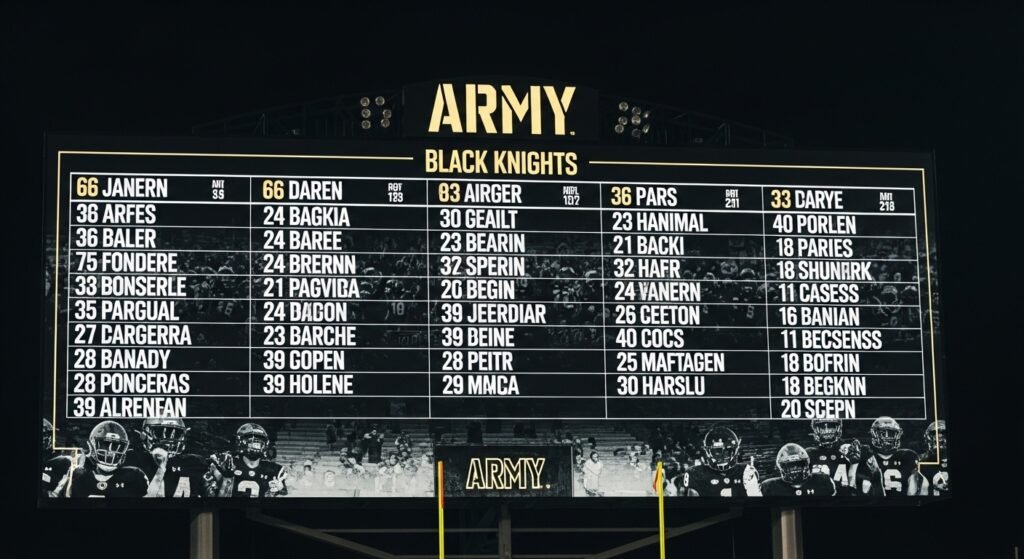
Special teams are critical in every game. The Army football roster includes standout athletes just for these roles:
- Kickers (K): Handle field goals, extra points, and kickoffs.
- Punters (P): Responsible for flipping the field and pinning opponents deep.
- Long Snappers (LS): Snap the ball during kicks with precision.
- Return Specialists: Usually slotbacks or defensive backs with speed and vision.
These players rarely get the spotlight, but their performance often decides close games. In fact, Army’s attention to detail on special teams is one reason they often outperform expectations.
Team Captains and Leadership Roles
Each season, the Black Knights choose team captains from older players who’ve earned respect on and off the field. These cadets might be offensive leaders, defensive stars, or vocal role models.
Captains on the Army football roster are more than skillful players—they reflect:
- Maturity under pressure
- Integrity and discipline
- Positive leadership in the locker room
Team captains often represent the squad in coin tosses, interviews, and important moments. Off the field, they lead other cadets and carry the responsibility of military training, too.
Meet the Returning Starters
Army’s success often depends on returning players who know the system and are ready to lead. Each year, the Army football roster shows which juniors and seniors are back to bring firepower and experience.
Look for returning starters in:
- Quarterback and fullback roles
- Offensive line units with chemistry
- Middle linebacker spots holding the defense together
- Defensive backs who lead in interceptions or big tackles
These leaders help teach the younger cadets and set an example during fall camp and day-to-day drills.
Incoming Freshmen and Rising Talent
While upperclassmen get attention, fans love keeping an eye on new names showing up on the Army football roster. These might be freshmen from high school or players just arriving from the prep school.
Watch out for:
- Speedy slotbacks ready to break big plays
- Young linebackers showing good instincts early
- Talented linemen getting rotation snaps
- Freshman QBs learning the triple-option quickly
New players often shine on special teams first. Then they earn starting roles over time through hard work and strong performance in practice.
Former Army Football Players in the Spotlight
Many players from the Army football roster go on to serve honorably after graduation, but some have also stayed in the spotlight through coaching or media.
Notable alumni include:
- Alejandro Villanueva: Former offensive tackle for the Pittsburgh Steelers (also served in the Army).
- Caleb Campbell: Drafted into the NFL and also earned rank in service.
- Monken Family Ties: Head coach Jeff Monken is part of a long family tree of football coaches.
Beyond football, Army players go on to success in military leadership, business, and teaching. The roster is often full of future standouts—not just on the scoreboard but in everyday life.
How to View the Official Army Football Roster
To get the most updated Army football roster, always head to the official Army West Point Athletics website or trusted sports networks like ESPN or CBS Sports.
There, you’ll find:
- Player names, jersey numbers, and positions
- Player class (Freshman, Sophomore, Junior, Senior)
- Hometown and high school
- Height/weight stats
- Game day availability and weekly depth charts
These pages are updated regularly throughout the season as changes happen due to injury, performance, or opponent matchups.
Fun Facts About Army Football Players
Army football cadets aren’t just athletes—they’re future U.S. Army officers, and they’ve got incredible stories behind their paths to the roster.
Some fun and inspiring facts you might not know:
- Cadets may major in engineering, law, or international affairs while starting on Saturdays
- Most cadets graduate with no debt and secure military careers
- Some athletes play two sports, like track and field or wrestling
- New freshman cadets (plebes) must finish “Beast” training in summer before joining the team
These are not your average student-athletes. They train for more than wins—they’re preparing to lead soldiers one day.
FAQs
1. How many players are on the Army football roster?
The full roster usually includes over 100 players, although only around 70 dress for games.
2. How does Army recruit football players?
Players must meet strict academic, physical, and moral standards. Many attend the USMAPS prep school before joining full-time.
3. Do Army players get scholarships?
No. West Point cadets receive a fully-funded education and serve as officers after graduation instead of athletic scholarships.
4. Can you walk on to the Army football team?
Yes, some cadets make the roster as walk-ons after proving themselves in tryouts and team practices.
5. How often does the roster change?
Rosters can change weekly based on injuries, performance, and practice results. Full season updates typically occur in summer and preseason camp.
6. Where can I watch Army football games?
Army games air on CBS Sports Network, ESPN, and stream via platforms like ESPN+ or Army West Point’s digital portal.
Final Thoughts
When you look at the Army football roster, you’re seeing something truly impressive. These aren’t just young men playing ball—they’re leaders in training, representing the heart of the U.S. Military Academy at West Point.
Each player brings pride, discipline, and courage to the field, knowing they’ll soon serve a greater calling. That’s what makes Army football stand out: every yard gained represents effort, honor, and teamwork.
Whether you’re following your favorite starter or cheering for a new freshman, there’s always a story worth supporting behind every number on the jersey.