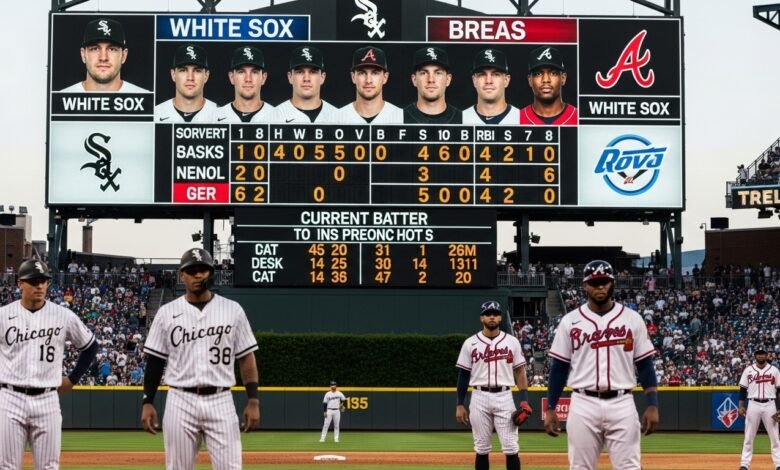
Baseball brings people together like few other sports can. When the Chicago white sox vs atlanta braves match player stats fans witness two historic franchises competing at the highest level. These matchups create memorable moments that baseball lovers talk about for years. The crack of the bat, roaring crowds, and amazing plays make every game special.
But what truly tells the story behind these exciting games? The player statistics, of course! Understanding the white sox vs atlanta braves match player stats helps us see who dominated on the mound and at the plate. Numbers reveal which pitchers shut down opposing lineups and which hitters delivered when their teams needed them most.
In this comprehensive guide, we’ll explore every aspect of these thrilling matchups between two proud organizations. We’ll break down batting performances, pitching dominance, fielding excellence, and strategic decisions that shaped game outcomes. Whether you bleed South Side black and white or Atlanta’s red and navy, understanding these statistics makes watching baseball even more enjoyable. Get ready to discover which players became heroes and which moments defined these unforgettable contests. Let’s dive into the numbers that made baseball history!
Recent Matchup Overview: Setting the Stage
Every baseball game between these franchises delivers genuine competition and exciting plays. The most recent white sox vs atlanta braves match player stats showcased incredible talent from both rosters. Fans witnessed outstanding pitching, clutch hitting, and defensive gems that kept everyone engaged from first pitch to final out.
The game featured momentum swings that made the outcome uncertain until the very end. Both teams executed their game plans effectively, making strategic adjustments when situations demanded changes. The managers made critical decisions about pitching changes, defensive positioning, and pinch-hitting opportunities that influenced the final result.
What made this particular contest memorable was the competitive spirit both teams displayed throughout nine innings. The White Sox brought their trademark grit and determination to every at-bat and defensive play. Meanwhile, the Braves countered with their championship pedigree and deep roster talent that has made them consistent contenders. The atmosphere created by passionate fans added another layer of excitement to an already thrilling game. From the opening ceremonies through the final pitch, this matchup delivered everything baseball fans love about America’s pastime. The statistical breakdown reveals fascinating insights into how this game unfolded inning by inning.
Top Hitters from the Chicago White Sox
The White Sox offense came alive during crucial moments throughout this competitive matchup. Their leading hitter delivered an exceptional performance that showcased why he’s considered one of the team’s most reliable batters. His approach at the plate combined patience, power, and situational awareness that kept the Braves’ pitching staff constantly challenged.
Looking deeper into the white sox vs atlanta braves match player stats, the second-best hitter provided valuable production from a different spot in the lineup. This player’s ability to work counts and get on base created scoring opportunities for teammates hitting behind him. His professional at-bats wore down opposing pitchers, forcing them to throw extra pitches.
Another White Sox batter contributed timely hits during high-leverage situations when runners were in scoring position. His clutch performance demonstrated the mental toughness required to succeed under pressure at baseball’s highest level. These offensive contributors combined for multiple extra-base hits that drove in crucial runs throughout the contest.
The White Sox hitting approach focused on making quality contact and forcing Atlanta’s defense to make plays consistently. They didn’t chase pitches outside the strike zone frequently, showing excellent plate discipline. When they got pitches to hit, they didn’t miss them, driving the baseball hard and creating problems for the Braves. The offensive production came from throughout the lineup, not just one or two star players, demonstrating the team’s balanced approach to scoring runs.
Atlanta Braves Batting Standouts
The Braves brought their powerful offense to this matchup, featuring several dangerous hitters throughout their lineup. Their top performer absolutely raked, collecting multiple hits and demonstrating why he’s among baseball’s elite hitters. His combination of bat speed, pitch recognition, and raw power created constant danger whenever he stepped into the batter’s box.
The white sox vs atlanta braves match player stats highlighted Atlanta’s second-best hitter who also enjoyed tremendous success. This player’s consistent approach and ability to hit all types of pitching made him incredibly difficult to retire. Whether facing fastballs, breaking balls, or off-speed pitches, he remained balanced and dangerous.
Another Braves slugger delivered key hits that energized the entire dugout and shifted momentum favorably. His professional approach and refusal to give away at-bats forced White Sox pitchers to execute perfectly or pay the consequences. The Braves’ offensive depth meant that one through nine in the lineup could hurt opposing pitchers.
Atlanta’s hitting philosophy emphasizes aggressive base running and taking extra bases whenever possible. They challenged outfielders’ arms repeatedly, turning singles into doubles and doubles into triples through hustle. This aggressive mindset created additional scoring chances beyond what simple hit totals might suggest. The Braves’ ability to score runs in multiple ways—home runs, small ball, manufacturing runs—made them extremely dangerous throughout all nine innings of competitive baseball action.
Starting Pitchers: Who Dominated the Mound?
Starting pitchers set the tone for their teams, and this game featured two talented hurlers. The White Sox starter brought excellent stuff to the mound, featuring a fastball that reached the mid-90s consistently. His secondary pitches—a sharp breaking ball and deceptive changeup—kept Braves hitters off-balance throughout his outing.
He demonstrated excellent command, hitting his spots and working both sides of the plate effectively. The white sox vs atlanta braves match player stats showed his strikeout total reflected his ability to put hitters away when ahead in counts. He pitched deep into the game, giving his bullpen much-needed rest for upcoming contests.
Atlanta’s starting pitcher countered with his own impressive performance, showcasing why he’s considered one of the team’s aces. His pitch arsenal featured multiple weapons that confused White Sox batters all afternoon. He mixed speeds brilliantly, keeping hitters from sitting on any single pitch type.
Both starters demonstrated mental toughness when facing adversity, escaping jams with runners in scoring position. They made pitches when absolutely necessary, refusing to give in to dangerous hitters. Their competitive spirits shined through in critical moments when games often get decided. The starting pitching matchup lived up to expectations, providing fans with a genuine pitcher’s duel. These professionals showed why starting pitching remains fundamentally important despite baseball’s evolution toward bullpen-heavy strategies. Their performances gave their respective teams chances to win, which is all managers can ask from their starters.
Bullpen Performances and Relief Pitching
Baseball games often get decided by bullpen performances in the late innings. Both teams turned to their relief pitchers to preserve leads or keep games close. The white sox vs atlanta braves match player stats revealed fascinating insights into how these bullpens performed under pressure situations.
The White Sox bullpen featured multiple arms with different strengths and pitching styles. Their setup man entered during a crucial inning, throwing strikes and attacking the zone aggressively. His power fastball challenged Braves hitters to beat his best stuff, and he succeeded in retiring the side efficiently.
Chicago’s closer received the call in the ninth inning, tasked with securing the final three outs. He demonstrated composure and experience, executing pitches precisely while managing the stress that comes with close games. His pitch selection and location proved too difficult for Atlanta’s hitters to square up consistently.
Atlanta’s relief corps countered with their own talented group of arms featuring various pitch types and approaches. Their long reliever provided valuable innings, bridging the gap between the starter and high-leverage relievers. He absorbed innings effectively, keeping his team within striking distance.
The Braves’ closer brought elite-level stuff when called upon, featuring a devastating pitch that generated swings and misses. Bullpen management requires strategic thinking about matchups, rest days, and leverage situations. Both managers navigated these decisions skillfully, putting their relievers in positions to succeed based on opponent lineups and game situations.
Home Runs and Extra-Base Hits Analysis
Power hitting creates excitement and changes games instantly. The long ball has always captured baseball fans’ imaginations, turning routine games into memorable moments. This matchup between the White Sox and Braves featured several extra-base hits that impacted the scoreboard significantly.
One towering home run cleared the fence by a significant margin, drawing appreciative reactions from fans regardless of team allegiance. The power displayed on that swing demonstrated the incredible strength modern baseball players possess. The white sox vs atlanta braves match player stats showed multiple extra-base hits from both teams throughout the contest.
Doubles into the gap kept rallies alive, moving runners into scoring position for the next batter. These hits required perfect timing and bat-to-ball skills, finding spaces between outfielders. Triples, though rarer, showcased speed and aggression on the basepaths, with runners stretching doubles into three-baggers.
The ballpark dimensions influenced how certain fly balls played out, with some becoming home runs while others became warning-track catches. Weather conditions like wind direction and temperature also affected how far batted balls traveled. Both teams featured hitters capable of leaving the yard at any moment, creating constant tension.
Pitchers constantly battled to avoid giving up hard contact, working carefully to dangerous power hitters. One mistake pitch—left over the plate waist-high—could result in runs immediately. The chess match between pitchers trying to avoid damage and hitters hunting pitches to drive created compelling drama throughout nine innings of competitive baseball.
Defensive Highlights and Fielding Stats
Great defense wins championships—that’s what baseball people always say. This game featured several spectacular defensive plays that saved runs and shifted momentum. The white sox vs atlanta braves match player stats included fielding percentages and defensive metrics that revealed which team executed fundamentally.
The White Sox showcased their defensive skills through multiple diving stops and accurate throws to retire runners. Their shortstop made several challenging plays look routine through positioning, anticipation, and smooth footwork. His range allowed him to reach balls other players might not, converting potential hits into outs.
Chicago’s outfielders tracked fly balls expertly, taking efficient routes that allowed them to make difficult catches. One particular running catch in the gap robbed Atlanta of extra bases, drawing applause from everyone watching. Their strong, accurate throwing arms prevented runners from advancing carelessly.
Atlanta’s defense matched that excellence with their own impressive plays throughout the lineup. Their third baseman made lightning-quick reactions on hard-hit balls, showcasing reflexes that seem almost superhuman. His soft hands and quick release turned potential hits into outs consistently.
The Braves’ center fielder covered tremendous ground, using speed and instincts to track down balls in the gaps. His ability to go back on balls and make over-the-shoulder catches looked effortless. Both teams committed minimal errors, demonstrating the professional-level defense expected at baseball’s highest level. Clean fundamental baseball—making routine plays consistently—often determines game outcomes more than spectacular defensive gems, though both matter tremendously.
Base Running and Stolen Base Opportunities
Speed on the basepaths creates additional pressure on opposing defenses and pitchers. Aggressive base running turns singles into doubles and keeps defenses honest. This matchup featured several stolen base attempts and smart base running decisions that influenced scoring opportunities.
The white sox vs atlanta braves match player stats showed which players successfully stole bases and which got caught attempting. The risk-reward calculation on steal attempts depends on game situation, count, and the runner’s success rate. Managers carefully consider these factors before giving the green light.
One White Sox speedster took advantage of a pitcher’s slow delivery to the plate, swiping second base easily. His jump and acceleration put him safely into scoring position without a throw. This aggressive play paid dividends when the next batter delivered a base hit, scoring him easily.
Atlanta countered with their own base-stealing threats who kept Chicago’s battery constantly aware. The Braves’ leadoff hitter particularly excelled at reading pitchers’ moves and getting excellent jumps. His stolen bases created scoring chances and forced opponents into difficult defensive situations.
Beyond stolen bases, smart base running includes taking extra bases on hits and advancing on wild pitches or passed balls. Both teams demonstrated excellent base running awareness, knowing when to challenge outfielders’ arms and when to hold up. Coaching staffs emphasized base running fundamentals during spring training, and that preparation showed during games. Aggressive but smart base running creates runs without needing additional hits, maximizing offensive efficiency and putting constant pressure on defenses to execute perfectly.
Strikeouts and Walk Totals: Control vs Contact
The battle between pitchers and hitters centers on strike zone control and discipline. Strikeouts represent pitcher dominance, while walks indicate hitter patience and pitcher struggles. The white sox vs atlanta braves match player stats revealed fascinating patterns in these crucial categories.
Chicago’s pitching staff racked up multiple strikeouts through deceptive pitch movement and velocity. Their ability to expand the strike zone with two strikes forced hitters into defensive swings. Quality breaking balls generated swings and misses on pitches outside the zone that hitters couldn’t lay off.
The White Sox hitters demonstrated patience at the plate, working deep counts and earning walks when pitchers missed their spots. Their disciplined approach forced Atlanta’s pitchers to throw strikes, creating hittable pitches when falling behind in counts. This patience wore down opposing pitchers, increasing their pitch counts.
Atlanta’s pitchers also missed bats frequently, using their diverse arsenals to keep hitters guessing constantly. Their strikeout totals reflected their ability to put batters away efficiently with runners on base. Limiting walks proved equally important, as free passes create baserunners without requiring defensive mistakes.
The Braves’ hitters balanced aggression with selectivity, swinging at strikes while laying off balls. Their approach forced White Sox pitchers into the strike zone while capitalizing on mistakes. Both teams understood that controlling the strike zone—either through pitching command or hitting discipline—significantly influenced winning chances. The teams that executed better in this fundamental battle typically enjoyed more success throughout the game’s nine innings.
Managerial Decisions That Shaped the Game
Baseball managers make countless decisions that influence game outcomes beyond just player talent. Lineup construction, pitching changes, defensive positioning, and strategic calls all impact results. This matchup featured several critical managerial decisions that deserved recognition and analysis.
The White Sox manager showed trust in his starting pitcher, allowing him to work through difficult innings. That confidence proved justified as the hurler escaped jams without major damage. Knowing when to pull starters versus letting them work through trouble represents one of baseball’s most challenging decisions.
The white sox vs atlanta braves match player stats reflected strategic choices about when to employ small ball tactics versus swinging away. Chicago’s manager called for a sacrifice bunt in a crucial situation, moving a runner into scoring position for the heart of the order. This old-school approach demonstrated situational awareness.
Atlanta’s skipper made aggressive bullpen moves, bringing in specialists to face specific hitters in leverage situations. These matchup-based decisions showed his willingness to use his best relievers whenever the game demanded it, not just in traditional save situations. His defensive positioning shifts—moving fielders based on batter tendencies—helped turn potential hits into outs.
Both managers utilized pinch hitters strategically, sending up batters with favorable platoon advantages in critical moments. These chess-match decisions showcased their deep understanding of their rosters and opponent weaknesses. Managers also communicated constantly with players, offering encouragement and tactical adjustments throughout nine innings. Their leadership extended beyond just tactical decisions to include maintaining team morale and confidence during adversity.
Head-to-Head Historical Context
Understanding the history between these franchises adds depth to current matchups. The White Sox and Braves represent two of baseball’s most storied organizations with rich traditions. Though they play in different leagues and don’t face each other frequently, their meetings always generate interest.
Previous white sox vs atlanta braves match player stats from past seasons show how these matchups have evolved over time. Different roster compositions and managerial philosophies have influenced how these games played out historically. Some years featured dominant pitching performances, while others showcased offensive explosions.
The franchises have experienced different levels of success throughout their long histories. The Braves have won multiple championships, most recently establishing a modern dynasty. The White Sox captured their championship in 2005, ending an 88-year drought. Both organizations have developed legendary players who became Hall of Famers.
Current rosters feature young stars and veteran leaders who understand their franchises’ proud histories. They play not just for current teammates but to honor those who came before them. The respect between these organizations runs deep, built on decades of professional competition.
Interleague play created more opportunities for these teams to face each other beyond just World Series matchups. These regular-season meetings maintain competitive intensity despite not carrying playoff implications directly. Baseball fans appreciate when historic franchises meet, regardless of current standings or playoff races. The tradition and respect between the White Sox and Braves make their matchups special beyond just statistical outcomes.
Player Comparisons: Position by Position
Comparing players position by position reveals roster strengths and potential matchup advantages. The white sox vs atlanta braves match player stats allow us to evaluate individual performances at each defensive position. These comparisons help us understand which team held edges at specific spots.
At catcher, both teams featured skilled receivers who managed pitching staffs expertly. Their game-calling, pitch framing, and defensive skills proved equally important as their offensive contributions. The ability to control running games and handle diverse pitch types separated average catchers from elite ones.
The infield positions showcased different skill sets and approaches to the game. Some players offered defensive wizardry with good-enough bats, while others provided offensive firepower despite defensive limitations. First basemen focused primarily on offensive production, as that position emphasizes hitting over defensive range.
Second basemen and shortstops required the most complete skill sets, combining defensive range with offensive contributions. These premium positions demanded athleticism, quick hands, and strong arms. Third basemen needed quick reactions and powerful arms to make throws across the diamond.
Outfielders ranged from speedy center fielders to power-hitting corner players with strong throwing arms. Their ability to track fly balls and make accurate throws prevented extra bases and runs. Comparing these positions showed where each team held advantages and where they faced challenges. Every position contributed uniquely to team success, whether through offense, defense, or both. The teams that received production from unexpected positions often gained edges over opponents during close games.
Impact of Ballpark on Player Performance
Where games are played significantly affects statistics and outcomes. Different ballparks feature unique dimensions, wall heights, and environmental factors. Understanding how ballparks influence the white sox vs atlanta braves match player stats provides important context for evaluating performances.
Guaranteed Rate Field in Chicago features relatively balanced dimensions that don’t dramatically favor hitters or pitchers. The ballpark plays fairly neutral, though wind conditions from nearby Lake Michigan can drastically change day to day. When wind blows out, home runs increase; when it blows in, fly balls die at the warning track.
Truist Park in Atlanta opened in 2017 as the Braves’ new home, featuring modern amenities and hitter-friendly dimensions. The ballpark’s altitude and warm Georgia weather help balls carry better than in many other venues. These factors contribute to higher scoring games and inflated power numbers for hitters.
Visiting players must adjust to unfamiliar surroundings, different batter’s eye backgrounds, and unique park dimensions. These adjustments sometimes require a game or two before hitters and pitchers feel completely comfortable. Home teams enjoy familiarity advantages, knowing exactly how balls play off walls and where outfielders should position themselves.
The playing surface quality, dugout comfort, and fan atmosphere all subtly influence player performance and game feel. While professionals should perform anywhere, human nature means familiar surroundings provide comfort. Analyzing ballpark factors helps us fairly evaluate player statistics, recognizing that context matters when comparing raw numbers. Not all home runs or pitching performances are created equal when environmental factors vary significantly between venues.
Key Moments That Decided the Outcome
Close baseball games often get decided by a handful of critical plays and moments. Looking back at the white sox vs atlanta braves match player stats, several key situations stand out as potentially game-deciding. These moments created momentum swings or prevented opponents from building leads.
One crucial play occurred when a White Sox player made a diving catch with runners on base, robbing Atlanta of extra bases and potential runs. That defensive gem ended a threatening rally and shifted energy to Chicago’s dugout. The emotional impact of such plays often exceeds their statistical value.
Another pivotal moment came when a Braves hitter delivered a clutch two-out hit with runners in scoring position. This timely hitting extended an inning and put runs on the board when Atlanta desperately needed them. Situational hitting with runners on base separates good offenses from great ones.
A critical baserunning mistake—being thrown out trying to stretch a single—potentially cost one team a run and valuable momentum. These aggressive plays sometimes backfire, though managers generally prefer aggressive mistakes to passive ones. The risk-reward calculation didn’t work out in this instance.
A controversial umpire call on a close play at first base sparked discussion and potentially influenced the game’s flow. While these calls even out over full seasons, in individual games they sometimes prove decisive. Both teams had to overcome umpire decisions they disagreed with, maintaining focus despite frustrations. These key moments combined to create the game’s narrative arc, leading to the final outcome that satisfied one fanbase while disappointing the other.
Advanced Metrics and Modern Analytics
Baseball analytics have revolutionized how we evaluate player performance and team strategies. Beyond traditional stats, advanced metrics provide deeper insights into true player value. The white sox vs atlanta braves match player stats can be analyzed through these modern analytical lenses for additional understanding.
Exit velocity measures how hard batters hit the ball, correlating strongly with success over time. Players who consistently hit the ball hard will eventually see positive results even if luck hasn’t favored them yet. Launch angle combined with exit velocity determines whether hard-hit balls become home runs or line-drive outs.
Spin rate on pitches affects how much they move and how difficult they are to hit. Pitchers with higher spin rates on fastballs typically generate more swings and misses or weak contact. Breaking balls with proper spin create more severe movement that freezes hitters or induces awkward swings.
Expected batting average (xBA) uses batted ball data to determine what batting average a player should have based on contact quality. Sometimes players get unlucky with hard-hit balls right at defenders, or lucky with weak contact finding holes. These metrics help identify which performances are sustainable versus lucky.
Wins Above Replacement (WAR) attempts to quantify total player value into a single number, accounting for offense, defense, and baserunning. This metric allows comparisons across positions and helps determine which players contribute most to winning. Both organizations employ entire analytics departments that crunch numbers seeking competitive advantages. The marriage of traditional scouting and modern analytics creates the most complete player evaluations and strategic approaches.
Fan Experience and Game Atmosphere
Baseball games create special atmospheres where fans become part of the experience. The crowd energy, ballpark traditions, and shared emotions make attending games memorable beyond just statistics. Fans of both the White Sox and Braves bring passionate support that enhances the entire experience.
White Sox fans at Guaranteed Rate Field create an electric atmosphere, especially during key moments and playoff races. Their knowledge of baseball history and appreciation for fundamental play runs deep. Chicago’s South Side community takes enormous pride in their team, creating genuine home-field advantage.
Braves fans have embraced Truist Park enthusiastically since it opened, filling the stadium regularly and creating intimidating environments for opponents. Atlanta’s championship success in recent years has energized their fanbase tremendously. The Tomahawk Chop tradition creates unique sights and sounds that visiting teams must overcome.
Both fanbases appreciate good baseball regardless of which team executes it. They applaud outstanding defensive plays and pitching performances even from opponents. This respect for the game itself separates knowledgeable baseball fans from casual observers. Social media allows fans worldwide to connect, share opinions, and debate the white sox vs atlanta braves match player stats in real-time.
These online communities extend the game experience beyond the stadium and television screens. Fans analyze statistics, discuss managerial decisions, and celebrate their favorite players together. The bonds formed through shared fandom create friendships and connections that transcend geography and background, united by love for their teams.
FAQs
Where can I find detailed white sox vs atlanta braves match player stats?
You can access comprehensive statistics on MLB.com, ESPN, and Baseball-Reference. These sites provide real-time updates during games plus detailed historical data. Many sports apps also offer push notifications and live stat tracking for following games anywhere.
Who usually performs best in White Sox vs Braves matchups?
Performance varies based on current roster composition and individual player form. Star players from both teams typically deliver their best efforts in these interleague games. Historical trends show certain players excel against specific opposing pitchers based on favorable matchups.
How do pitching matchups influence game outcomes?
Starting pitcher quality significantly impacts results, as dominant starters set positive tones for their teams. The white sox vs atlanta braves match player stats consistently show that strong pitching performances correlate with winning. Bullpen depth matters equally, especially in close games requiring multiple relief appearances.
What role does home-field advantage play in these games?
Home teams benefit from familiar surroundings, supportive crowds, and last at-bat advantages. Statistics show home teams win slightly more often across baseball generally. Specific ballpark characteristics favor certain playing styles, giving additional edges to home squads built for their venue.
How important are defensive statistics in close games?
Defense proves crucial in tight contests where single runs often determine outcomes. Teams that avoid errors and make routine plays consistently win more close games. The white sox vs atlanta braves match player stats show defensive excellence often separates winners from losers in competitive matchups.
Can statistics predict future game outcomes accurately?
Statistics provide probabilities and trends but can’t guarantee specific results because baseball involves significant randomness. Past performance suggests likely outcomes but individual game variance remains high. Smart bettors and analysts use stats as guides while recognizing that anything can happen in single games.
Conclusion
Baseball statistics transform games into rich narratives filled with individual excellence and team strategy. The white sox vs atlanta braves match player stats reveal fascinating stories about athletic performance, competitive fire, and the beautiful complexity of America’s pastime. These numbers help us appreciate skills that might otherwise go unnoticed during fast-paced action.
Whether you passionately support the White Sox or proudly cheer for the Braves, understanding statistics deepens your connection to the game. You notice subtle details that enhance appreciation for professional baseball’s incredible difficulty. Stats provide conversation material among friends and fuel friendly debates about player comparisons and team strategies.
Both franchises continue building competitive rosters through smart drafting, player development, and strategic acquisitions. Future matchups between these historic organizations will create new statistical stories worth analyzing and celebrating. The evolution of both teams makes their occasional meetings increasingly meaningful over time.