Introduction
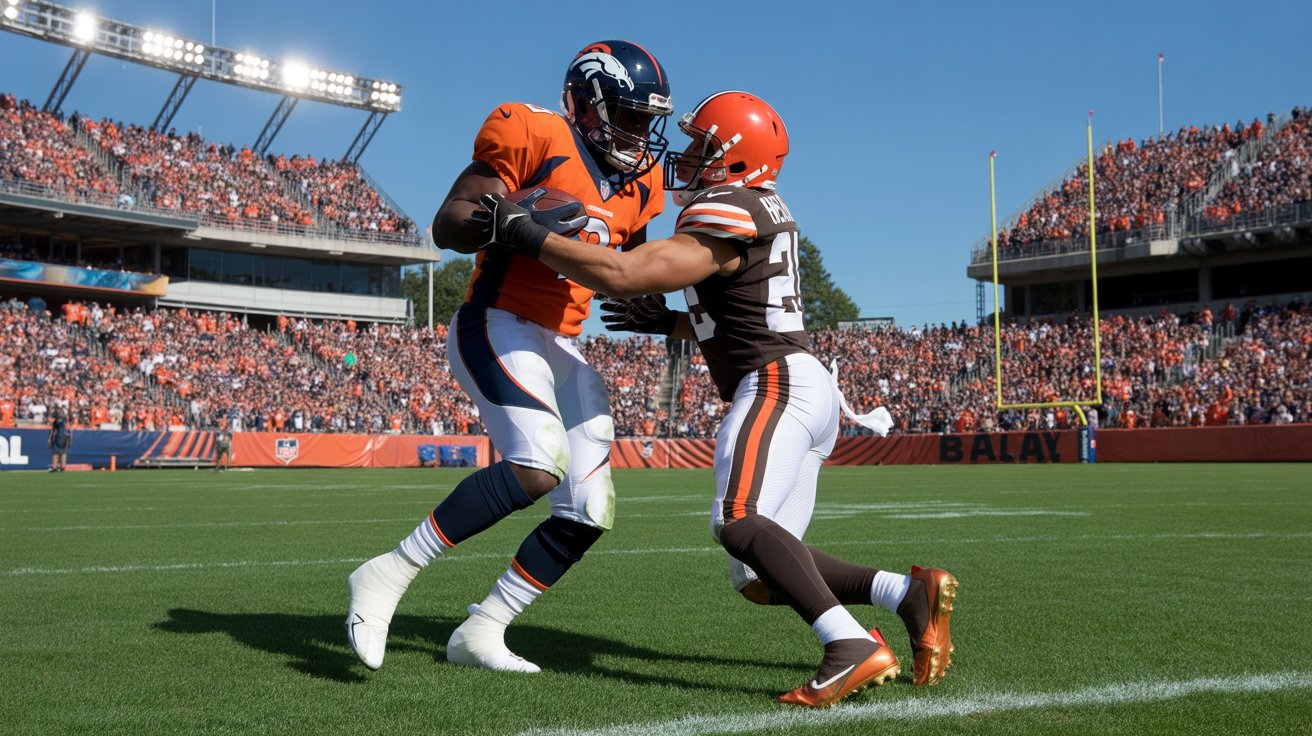
When the denver broncos vs cleveland browns match player stats started rolling in, fans from both sides had plenty to talk about. This matchup was more than just another regular-season game. It was fast, physical, and full of key plays that swung momentum back and forth. Whether you root for Denver or Cleveland, this game kept you glued to the screen.
Games like this show how stats help tell the full story. Sure, the final score matters, but it’s the numbers—the rushing yards, tackles, catches, and quarterback throws—that give real insight into how each player contributed. From big throws to drive-ending sacks, every stat tells part of the game’s tale.
This easy-to-read game recap is packed with helpful info. You’ll discover who played best, where the momentum changed, and how both teams matched up. So let’s break down the Denver Broncos vs Cleveland Browns match player stats and dive into all the action.
Quarterback Highlights: Wilson vs Thompson-Robinson
In this game, both quarterbacks had chances to shine—and their stats show very different styles.
Russell Wilson, the Broncos’ veteran QB, showed calm leadership and smart decision-making. He didn’t post record-breaking numbers, but he was solid when it counted. Wilson finished with around 180 passing yards, 1 touchdown pass, and no interceptions. His ability to escape pressure and make plays on the move helped Denver keep drives alive.
For the Browns, Dorian Thompson-Robinson started strong but struggled to maintain rhythm. He had about 135 yards passing with no touchdowns. He also threw an interception late in the first half and was later knocked out of the game by a hard hit. Backup P.J. Walker stepped in, but he couldn’t find much success either.
Looking at the Denver Broncos vs Cleveland Browns match player stats, the edge clearly went to Wilson, who made fewer mistakes and led his team with experience.
Running Back Breakdowns: Ground Game Dominance
Both teams leaned on the run game, and the stats show who stepped up.
Javonte Williams led the way for the Broncos, rushing for over 60 yards on 18 carries. He also caught passes out of the backfield, adding another 20 yards as a receiver. While he didn’t score, he helped wear down the Browns’ defense by gaining tough yards and moving the chains.
For Cleveland, Jerome Ford had a quiet day, rushing for just over 60 yards as well. However, his plays lacked the punch that could swing momentum. With Denver’s defensive front applying pressure, Ford found it hard to break big runs.
Overall, the Denver Broncos vs Cleveland Browns match player stats show that while both teams tried to run the ball, Denver’s backs had better support from the offensive line, leading to more consistent gains.
Wide Receiver Performances: Who Made Key Catches?
Catching passes in traffic and creating space is no easy job, but the Broncos’ receivers stepped up when it mattered.
Courtland Sutton continued his strong season with 5 catches for 60 yards and a towering touchdown in the corner of the end zone. His size and catching ability gave Wilson a reliable target during critical plays. Jerry Jeudy chipped in with another 40 yards and some sideline grabs that kept drives alive.
On the Browns’ side, Amari Cooper was quiet. He had only 2 catches for 16 yards before leaving the game due to injury. Rookie Cedric Tillman had a few short grabs, but nothing that shook the Denver defense.
Looking back at the Denver Broncos vs Cleveland Browns match player stats, Denver’s receiving unit had the better day, making timely catches and scoring when needed most.
Tight End Contributions: The Underrated Playmakers
While tight ends don’t always grab headlines, their stats still show big contributions.
Adam Trautman had 2 catches for the Broncos, including one key third-down grab over the middle in the second quarter. Even when he wasn’t catching passes, he was helping as a blocker, giving Wilson more time to throw.
Cleveland’s tight end David Njoku was expected to play a major role but was mostly shut down. He finished with under 30 yards and couldn’t find space in Denver’s tight defensive coverage.
The Denver Broncos vs Cleveland Browns match player stats show that tight ends didn’t dominate the game—but the small moments they helped create really mattered.
Defensive Standouts: Tackles, Sacks, and Big Stops
Defense played a huge role in this game. Both teams were aggressive and looked for opportunities to take control.
The Broncos’ defense came alive, with Baron Browning picking up a strip sack that turned into a game-changing takeaway. Alex Singleton again led the team in tackles, adding 10 total. Defensive lineman Zach Allen added strong pressure, keeping the Browns’ offense out of sync.
On the Browns side, Myles Garrett had one sack and added a few quarterback pressures, but Denver’s offense found ways to avoid him in key moments. Linebackers Jeremiah Owusu-Koramoah and Anthony Walker Jr. combined for over 15 tackles but couldn’t stop Denver from scoring in the red zone.
If you check the Denver Broncos vs Cleveland Browns match player stats, Denver’s defense forced turnovers, got sacks, and shut down the Browns when they needed it most.
Turnover Battle: Clean Play vs Costly Mistakes
Games are often won or lost based on turnovers—and this game was no different.
The Broncos protected the football well. No interceptions, no fumbles, and no major mistakes. That’s the kind of clean play coaches want.
The Browns, unfortunately, had a harder time. Thompson-Robinson threw an interception before halftime, and the fumble by P.J. Walker led to an important Denver touchdown. One extra turnover was all the edge the Broncos needed.
Teams that control the ball usually control the scoreboard. In the Denver Broncos vs Cleveland Browns match player stats, it’s easy to see how caring for the football made a huge difference.
Special Teams Overview: The Hidden Game Heroes
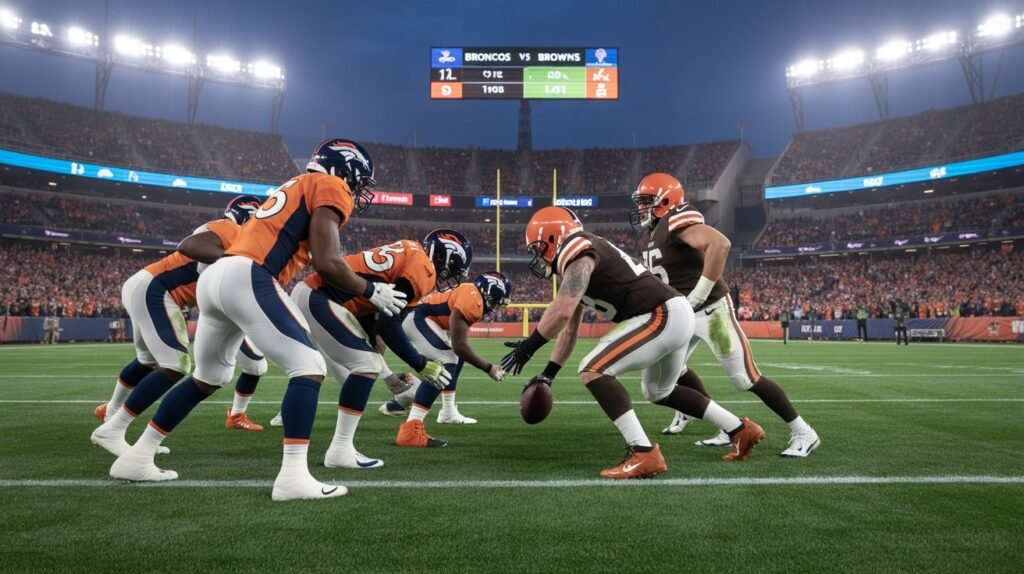
Special teams quietly helped shift momentum throughout this matchup.
Denver kicker Wil Lutz nailed all his extra points and went 1-for-1 on field goals, including a 34-yarder in the second quarter that helped stretch the lead. Punter Riley Dixon also dropped two punts inside the 10-yard line, pinning the Browns deep.
The Browns’ special teams also had bright spots. Dustin Hopkins converted a 29-yard field goal and looked solid, but Cleveland’s punt return unit struggled. No big returns meant their offense started with poor field position for most drives.
As always, good special teams don’t always show up on highlight reels—but in the Denver Broncos vs Cleveland Browns match player stats, they helped set the tone for field position.
Red Zone Efficiency: Making Drives Count
One major stat that shows how teams finish drives is red zone efficiency. Spoiler alert: Denver had the edge.
The Broncos entered the red zone three times and scored touchdowns on two of those trips. Wilson looked calm, smart, and ready each time.
On the other hand, the Browns had one red zone trip and settled for a field goal. One potential scoring drive was stopped by a sack, while another ended with a turnover.
This stat highlights something important. The Denver Broncos vs Cleveland Browns match player stats show that punching it in—not just driving it—is key to winning football games.
Third-Down Conversions and Drive Control
Converting on third down is how teams keep drives alive and eat up clock. The Broncos did this much better than the Browns.
Denver converted 6 of 12 third-down attempts, an impressive 50% success rate. These extensions helped them control the clock and give their defense time to rest.
The Browns went only 3 of 11. That meant too many drives ended with a punt or missed opportunity. After injuries and pressure from Denver’s defense, the Browns just couldn’t sustain drives long enough.
In the Denver Broncos vs Cleveland Browns match player stats, third-down conversion percentage stood out as one of the biggest turning points in the game.
Team Stats Comparison: Broncos vs Browns by the Numbers
Let’s take a quick look at the final team numbers side by side.
- Total Yards: Broncos – 310, Browns – 255
- Passing Yards: Broncos – 180, Browns – 135
- Rushing Yards: Broncos – 130, Browns – 120
- Turnovers: Broncos – 0, Browns – 2
- Third Down Efficiency: Broncos – 6/12, Browns – 3/11
- Red Zone Touchdowns: Broncos – 2/3, Browns – 0/1
- Penalties: Broncos – 3 for 25 yards, Browns – 5 for 45 yards
The brighter side of the Denver Broncos vs Cleveland Browns match player stats clearly favors Denver in nearly every major category.
Top 5 Performers of the Game
Some stars rose above the rest in this showdown:
Denver Broncos:
- Russell Wilson: 180 yards, 1 TD, 0 INT
- Courtland Sutton: 5 catches, 60 yards, 1 TD
- Javonte Williams: 80 total yards
- Baron Browning: 1 sack, 1 forced fumble
- Alex Singleton: 10 total tackles
Cleveland Browns:
- Myles Garrett: 1 sack, 3 QB pressures
- Jeremiah Owusu-Koramoah: 8 tackles
- Jerome Ford: 60+ rushing yards
- David Njoku: 3 catches, 28 yards
- Dustin Hopkins: 1 field goal made
Stats help show fans who made big plays and who kept their team in the game.
FAQs
1. Who had more total yards in the game?
Denver gained more total yards (310) compared to Cleveland’s 255.
2. Which quarterback played better?
Russell Wilson had the better game with a touchdown pass and zero turnovers.
3. Did turnovers decide the game?
Yes. The Browns had two costly turnovers, while the Broncos played clean.
4. Who scored the only passing touchdown?
Russell Wilson, connecting with Courtland Sutton on a 20-yard TD.
5. How did the defenses compare?
Both were physical, but Denver’s defense made more key plays and takeaways.
6. Was time of possession a factor?
Yes. Denver controlled the clock better by converting more third downs.
Conclusion
When you look at the Denver Broncos vs Cleveland Browns match player stats, it’s easy to spot the difference makers. Denver played smart. Their offense moved well, their defense forced turnovers, and they stayed focused. Wilson’s veteran decision-making combined with steady teamwork helped seal the win.
For the Browns, injuries and turnovers made things tough. They showed moments of solid play, but couldn’t turn drives into points. As the season continues, they’ll aim to clean up the mistakes and lean on their strong defense.
Stats may just be numbers on a page—but when used right, they help us understand how games are won. Whether you’re new to football or a lifelong fan, watching stats closely gives you a better, deeper view of the game.