
Baseball brings pure excitement when talented teams face off on the diamond. When the Atlanta Braves meet the Colorado Rockies, fans witness contrasting styles and exciting matchups. The Braves bring their championship pedigree and deep roster to every contest. Meanwhile, the Rockies showcase their unique challenges playing at altitude in Denver’s thin air. These games create fascinating dynamics that make every pitch interesting.
Understanding the atlanta braves vs colorado rockies match player stats helps us appreciate these matchups on multiple levels. Statistics reveal which players dominated at the plate and which pitchers controlled the strike zone. Numbers show us home runs launched, strikeouts recorded, and defensive gems that changed game outcomes. Whether you’re tracking batting averages or analyzing pitching performances, stats tell the complete story.
In this comprehensive guide, we’ll explore every important aspect of these exciting matchups between National League opponents. We’ll break down offensive explosions, pitching performances, defensive highlights, and strategic decisions that shaped results. Whether you bleed Braves red or Rockies purple, these insights will deepen your baseball knowledge. Get ready to discover which players became heroes and which statistics mattered most. Let’s dive into the numbers that bring these thrilling games to life!
Recent Game Recap and Final Score
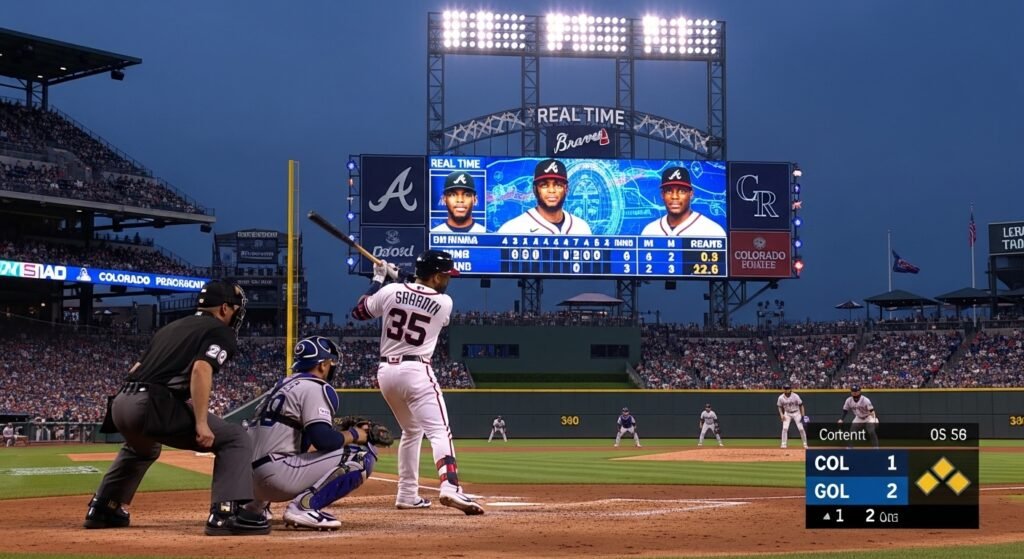
The latest meeting between these National League teams delivered entertaining baseball from first pitch to final out. The atlanta braves vs colorado rockies match player stats from this contest revealed offensive fireworks mixed with quality pitching moments. Fans witnessed home runs, clutch hits, and the kind of back-and-forth action that keeps everyone engaged throughout nine innings.
The scoreboard reflected the high-scoring nature typical when teams play at Coors Field in Denver’s thin air. Both squads demonstrated offensive firepower, taking advantage of conditions that favor hitters significantly. The atmosphere at the stadium created perfect conditions for baseball, with passionate fans supporting their teams loudly.
What made this particular game memorable was the offensive output both lineups produced throughout the contest. The Braves showcased their championship-caliber hitting, featuring multiple dangerous threats throughout their lineup. Meanwhile, Colorado countered with their own offensive weapons who thrived in their home ballpark’s unique environment.
From towering home runs to line-drive doubles, this matchup had everything baseball enthusiasts love about the sport. Both teams executed their game plans while making adjustments when situations demanded changes. The coaching staffs demonstrated strategic thinking, managing pitching staffs and making lineup decisions that influenced outcomes.
The final score told a story of offensive dominance over pitching, typical for games played at altitude where baseballs carry farther. This game reminded everyone why Coors Field creates unique challenges and opportunities that affect player statistics significantly compared to other venues.
Atlanta Braves Offensive Leaders
The Braves’ offense featured several players who delivered exceptional performances in this hitter-friendly environment. Their cleanup hitter absolutely crushed the baseball, launching home runs that traveled impressive distances in the thin air. His power display showcased why he’s considered one of baseball’s most feared sluggers who can change games with single swings.
The atlanta braves vs colorado rockies match player stats highlighted Atlanta’s leadoff man who set the table perfectly for the dangerous hitters following him. His ability to get on base and score runs created constant pressure on Colorado’s pitching staff. When he reached base, the Braves’ offense typically produced runs through their talented middle-of-the-order hitters.
Another Braves contributor stepped up with clutch hitting in key situations with runners in scoring position. His professional at-bats and situational awareness demonstrated the championship experience this roster possesses. Atlanta’s offensive approach emphasized quality at-bats throughout the lineup, not just relying on their biggest stars to produce all the offense.
The Braves demonstrated excellent plate discipline, drawing walks when Colorado pitchers missed the strike zone. This patient approach increased pitch counts and forced the Rockies to use their bullpen earlier than preferred. Atlanta’s hitters worked deep counts, fouling off tough pitches while hunting for mistakes they could drive into the gaps or over the fence.
Their collective offensive approach created sustained pressure that eventually produced runs on the scoreboard consistently. When entire lineups contribute rather than just star players, offenses become exponentially more dangerous and difficult for pitching staffs to contain over nine innings.
Colorado Rockies Top Hitters
Colorado’s offensive attack featured several dangerous hitters who thrived in their home ballpark’s advantageous conditions. Their top performer delivered another strong game, collecting multiple hits and driving in runs that kept the Rockies competitive. His ability to hit for both average and power made him incredibly difficult to pitch to throughout the contest.
The second-best Rockies hitter also enjoyed tremendous success, taking advantage of Coors Field’s dimensions and thin air. The atlanta braves vs colorado rockies match player stats showed his extra-base hits that energized the home crowd and dugout. Whether facing fastballs or breaking pitches, he remained balanced and dangerous in every at-bat he received.
Another Colorado contributor provided clutch production during crucial moments when the team desperately needed offensive sparks. His professional approach and refusal to give away at-bats proved invaluable throughout the competitive contest. The Rockies’ lineup depth meant dangerous hitters batted throughout the order, creating no easy outs for opposing pitchers to target.
Colorado’s offensive philosophy emphasizes aggressive swings at strikes and taking advantage of their home ballpark’s unique characteristics. They challenged Atlanta’s pitching staff constantly, hitting line drives that required excellent defensive plays to convert into outs. This approach created constant pressure on the Braves’ defense and pitching staff throughout nine innings.
The Rockies’ hitters understood how to maximize their home-field advantage, using the altitude to their benefit when making contact. Their ability to drive the baseball in the air resulted in extra-base hits that might be routine flyouts in other ballparks. When home teams fully embrace and exploit Coors Field’s unique environment, offensive explosions often result naturally.
Starting Pitchers’ Performances
Starting pitchers face unique challenges when throwing at Coors Field’s altitude where breaking balls don’t break as sharply. Atlanta’s starter brought quality stuff to the mound but had to adjust to the thin air affecting his pitches. His fastball velocity remained consistent, though the movement he typically gets at sea level diminished slightly in Denver’s conditions.
He demonstrated impressive mental toughness, making pitches when absolutely necessary despite the challenging environment for pitchers. The atlanta braves vs colorado rockies match player stats showed his strikeout total reflected his ability to put hitters away despite unfavorable conditions. He mixed pitches effectively, changing speeds to disrupt the Rockies’ timing at the plate throughout his outing.
Colorado’s starting pitcher countered with his own performance, understanding how to pitch effectively in his home ballpark. His experience pitching at Coors Field proved valuable as he attacked hitters and worked efficiently through Atlanta’s dangerous lineup. He featured a fastball-changeup combination that kept Braves hitters off-balance when executing pitches properly.
Both starters understood that pitching at altitude requires different strategies than other venues where movement and deception work better. They attacked the strike zone aggressively, knowing that nibbling around the edges often leads to disaster in this environment. Their competitive spirits showed through in critical moments when games often get decided by single pitches.
The starting pitching performances set tones for their teams despite the offensive environment working against them. These professional hurlers demonstrated why starting pitching remains fundamentally important even in the most hitter-friendly ballparks where runs come easier than anywhere else in baseball.
Bullpen Battle and Relief Pitching
Relief pitchers entered this game knowing they’d face challenging conditions at altitude where mistakes get punished severely. Both teams relied on their bullpens to bridge gaps and protect leads or keep games close. The atlanta braves vs colorado rockies match player stats provided insights into how these relief corps performed under difficult circumstances for pitching.
Atlanta’s bullpen featured multiple arms with different strengths and approaches to getting outs at sea level and altitude. Their setup man entered during a crucial inning, attacking the zone aggressively with his power repertoire. His conviction in his best stuff allowed him to succeed against Colorado’s dangerous hitters despite the challenging environment.
The Braves’ closer received the call in the ninth inning, tasked with securing the final three outs and preserving the victory. He demonstrated the mental toughness and composure that elite closers possess, executing pitches precisely while managing pressure. His pitch selection and location proved too difficult for Rockies hitters to handle consistently in crucial situations.
Colorado’s relief pitchers countered with their own efforts to keep their team competitive against Atlanta’s powerful offense. Their middle relievers provided valuable innings, preventing Atlanta from breaking the game open during vulnerable stretches. They absorbed innings effectively while giving their team chances to mount comebacks with at-bats remaining.
The Rockies’ late-inning specialists brought quality stuff when called upon, though pitching at Coors Field creates unique challenges even for experienced relievers. Bullpen management requires strategic thinking about matchups, pitcher workloads, and high-leverage situations that determine outcomes. Both managers navigated these decisions while accounting for altitude’s impact on their pitchers’ effectiveness.
Home Run Derby and Power Display
Power hitting took center stage in this matchup played in baseball’s most hitter-friendly environment at Coors Field. The thin air at altitude allows baseballs to travel significantly farther than at sea level ballparks. Both teams took full advantage, launching home runs that thrilled fans and changed the game’s complexion dramatically.
One mammoth blast cleared the fence by a tremendous margin, drawing gasps from everyone watching regardless of allegiance. The raw power displayed on that particular swing showcased the incredible strength modern baseball players possess through training. The atlanta braves vs colorado rockies match player stats documented multiple home runs from both talented lineups throughout this slugfest.
Back-to-back home runs from one team created momentum shifts that energized dugouts and fans while deflating opponents. These consecutive blasts demonstrated the offensive firepower both teams brought to this high-scoring affair. The home run barrage reflected both quality hitting and environmental factors that make Coors Field unique among major league venues.
Both teams featured multiple hitters capable of leaving the ballpark at any moment, creating constant tension for pitchers. Hurlers worked carefully to power threats, knowing one mistake pitch could result in instant runs on the scoreboard. The chess match between pitchers trying to avoid damage and sluggers hunting pitches to crush created compelling drama.
Launch angle and exit velocity combined with thin air to determine whether hard-hit balls became home runs or warning-track catches. Both teams emphasized hitting the ball in the air to maximize home run potential in conditions that favored this approach. The power display entertained fans while highlighting how ballpark environment significantly affects offensive statistics and game outcomes.
Defensive Plays and Fielding Excellence
Outstanding defense prevents runs and creates momentum shifts even in high-scoring games played at altitude. This matchup featured several impressive defensive plays that saved runs and energized teammates on the bench. The atlanta braves vs colorado rockies match player stats included fielding percentages and defensive metrics revealing which team executed fundamentally better.
Atlanta’s outfield made several challenging plays look routine through proper positioning and efficient routes to fly balls. Their center fielder particularly shined, covering tremendous ground in Coors Field’s expansive outfield dimensions. His range and strong throwing arm prevented extra bases on hits and kept runners from advancing carelessly on base hits.
The Braves’ infield executed double plays smoothly, turning potential rallies into inning-ending outs that frustrated Colorado’s offense. Their shortstop and second baseman showed excellent chemistry, making the 6-4-3 double play look effortless through repetition. Atlanta’s defensive fundamentals reflected their championship pedigree and commitment to all aspects of winning baseball.
Colorado’s defense matched that effort with their own impressive plays despite the challenging outfield dimensions at home. Their third baseman made lightning-quick reactions on hard-hit balls, showcasing reflexes that seem almost superhuman at times. His soft hands and quick release converted difficult chances into outs that prevented Atlanta from building bigger innings.
The Rockies’ outfielders understood how to play Coors Field’s unique dimensions and conditions that affect how balls carry. Their experience in this ballpark showed through their positioning and routes to fly balls hit in the gaps. Both teams committed minimal errors, demonstrating the professional-level defense expected at baseball’s highest level of competition.
Altitude’s Impact on Player Statistics
Coors Field’s altitude creates unique statistical environments that significantly affect player performance and career numbers. The thin air at 5,280 feet above sea level causes baseballs to travel approximately 10% farther than at sea level. This environmental factor inflates offensive statistics while creating challenges for pitchers trying to get outs consistently.
The atlanta braves vs colorado rockies match player stats from games played in Denver typically show higher scoring than matchups at other venues. Visiting players often experience temporary statistical boosts when playing at Coors Field for short series. Breaking balls don’t break as sharply in thin air, reducing pitch movement that pitchers rely on for swings and misses.
Rockies players’ statistics require context when evaluating their true performance levels across different environments and ballparks. Their home statistics typically far exceed their road numbers due to the significant advantages Coors Field provides hitters. Pitchers who call Coors Field home face unique challenges that affect their ERA and other traditional metrics negatively.
The Rockies organization has experimented with various strategies to mitigate altitude’s effects on their pitchers over the years. Storing baseballs in humidors helped reduce some offensive inflation, though Coors Field remains baseball’s most hitter-friendly environment. Players who thrive at altitude often struggle replicating that success in road games at sea level ballparks.
Understanding altitude’s impact provides crucial context when analyzing player statistics and team performance at Coors Field. The environmental factors create fascinating dynamics that make Rockies games unique compared to matchups played anywhere else in baseball. These conditions affect strategy, roster construction, and how teams approach playing in Denver throughout the season.
Base Running and Speed on Display
Speed on the basepaths creates additional pressure on defenses and can turn singles into doubles frequently. Both teams featured players who used their athleticism to take extra bases and create scoring opportunities beyond just hits. The atlanta braves vs colorado rockies match player stats showed which players successfully stole bases and advanced aggressively on balls in play.
Atlanta’s speedsters exploited opportunities to run when Colorado’s pitchers and catchers showed vulnerabilities in their pickoff moves. Their stolen bases put runners in scoring position where singles could drive them home easily. The Braves’ aggressive base running reflected their championship mentality and willingness to take calculated risks for advantages.
Colorado countered with their own base-stealing threats who kept Atlanta’s battery constantly worried and distracted. The Rockies’ leadoff hitter particularly excelled at reading pitcher moves and getting explosive jumps toward second base. His stolen bases created scoring chances from seemingly routine situations and forced opponents into difficult defensive positions.
Beyond stolen bases, smart base running includes taking extra bases on hits and advancing on wild pitches or passed balls. Both teams demonstrated excellent base running awareness throughout the game, knowing when to challenge outfielders’ arms aggressively. Coors Field’s expansive outfield dimensions created more opportunities for aggressive base running than smaller ballparks typically allow.
The teams that ran the bases more intelligently gained advantages in scoring runs without requiring additional hits from their lineups. Aggressive yet smart base running creates pressure that leads to defensive mistakes and easy runs. The base running performances from both teams reflected excellent coaching and player preparation throughout spring training and the season.
Pitching Strategy at Altitude
Pitching at Coors Field requires different strategies than throwing at sea level ballparks where movement and deception work better. Pitchers must adjust their approaches, relying more on velocity, location, and changing eye levels than sharp breaking balls. The atlanta braves vs colorado rockies match player stats reflected how pitchers adapted to these unique conditions throughout the contest.
Atlanta’s pitching staff emphasized attacking the strike zone aggressively rather than nibbling around the edges for called strikes. This aggressive approach prevented deep counts that typically favor hitters in this environment where mistakes get punished severely. The Braves’ pitchers changed speeds effectively, using fastball-changeup combinations to keep Rockies hitters off-balance consistently.
Colorado’s pitchers demonstrated their experience throwing at altitude, understanding which pitches work best in these conditions. They featured more two-seam fastballs with downward movement rather than curveballs that hang in thin air dangerously. The Rockies’ pitching philosophy at home emphasizes inducing ground balls that don’t benefit from altitude’s ball-carrying effects.
Both pitching staffs understood that location matters more than pure stuff when throwing in Denver’s thin air. Hitting spots on the corners and changing eye levels became crucial for getting outs consistently. Pitchers who tried relying solely on movement often struggled when their breaking balls didn’t break sharply as expected.
The mental toughness required to pitch effectively at Coors Field separates average pitchers from quality ones who succeed. Understanding that giving up hits and runs comes with the territory helps pitchers maintain confidence when facing adversity. The pitchers who executed their game plans best typically gave their teams chances to win despite the challenging environment.
Historical Context Between Teams
The Braves and Rockies have faced each other regularly as National League opponents since Colorado’s expansion in 1993. These matchups have created interesting storylines over three decades of competition at both venues. Understanding this historical context adds depth to current games between these franchises with different trajectories and success levels.
Previous atlanta braves vs colorado rockies match player stats from past seasons show how these matchups evolved through different roster compositions. The Braves have generally dominated this series, benefiting from superior roster talent and organizational depth over the years. Atlanta’s multiple division titles and recent World Series championship contrast with Colorado’s fewer playoff appearances.
Both franchises have featured legendary players who delivered memorable performances in head-to-head matchups throughout the years. The Rockies’ “Blake Street Bombers” era created offensive powerhouses that challenged Atlanta’s pitching staffs during the 1990s. More recently, Atlanta’s championship core has overwhelmed Colorado’s rebuilding rosters in most meetings between the clubs.
The contrasting ballpark environments create fascinating dynamics when these teams meet at each location throughout the season. Games at Truist Park in Atlanta typically feature lower scoring than matchups played at Coors Field’s altitude. These environmental differences affect how both teams approach games depending on venue and conditions they’ll face.
The organizational philosophies differ significantly, with Atlanta emphasizing pitching development while Colorado struggles developing hurlers at altitude. These contrasting approaches create interesting strategic matchups when the teams face each other during the regular season. The history between these franchises continues evolving as rosters change through drafts, trades, and free agency each offseason.
Impact on Playoff Races
Regular season games between these teams carry different implications depending on where each stands in their divisions. The atlanta braves vs colorado rockies match player stats from these contests can influence National League playoff positioning significantly. Atlanta typically competes for NL East titles while Colorado fights for relevance in the competitive NL West division.
The Braves entered this matchup fighting to maintain their division lead against quality competition in their division. Every win mattered as they battled division rivals for playoff positioning and potential home-field advantages throughout October. Atlanta needed victories against all opponents, including Colorado, to build momentum heading into postseason play.
Colorado approached this game looking to play spoiler and build confidence for future seasons despite limited playoff hopes. The Rockies understood that competing against championship-caliber teams like Atlanta helps their young players develop and prepare for future success. These games provide valuable experience against elite competition that helps player development significantly.
Head-to-head records against all opponents sometimes become tiebreakers when teams finish with identical records at season’s end. While Atlanta-Colorado games rarely carry direct tiebreaker implications, every win contributes to overall records that determine playoff seeding. Both teams approached these matchups with appropriate effort and intensity befitting professional baseball.
Individual player performances in nationally televised games also impact All-Star voting and postseason awards like MVP and Cy Young. Players understand that showcasing their skills against all levels of competition enhances their reputations and legacies throughout their careers.
FAQs
Where can I find detailed atlanta braves vs colorado rockies match player stats?
You can access comprehensive statistics on MLB.com, ESPN, and Baseball-Reference. These platforms provide real-time updates during games plus detailed historical data and advanced analytics. Many sports apps offer push notifications and live stat tracking for following games from anywhere worldwide.
Why do so many runs score at Coors Field?
Denver’s altitude creates thin air that allows baseballs to travel significantly farther than at sea level parks. Breaking balls don’t break as sharply in thin air, reducing pitchers’ ability to get swings and misses. The combination creates baseball’s most hitter-friendly environment where offensive statistics inflate compared to other venues.
How do the Braves typically perform against the Rockies?
Atlanta has generally dominated this matchup historically, benefiting from superior roster talent and organizational depth consistently. The atlanta braves vs colorado rockies match player stats show the Braves winning more often, particularly in recent years. Atlanta’s championship-caliber roster typically overwhelms Colorado’s rebuilding teams in most meetings between the clubs.
Do Rockies players’ statistics inflate at home?
Yes, significantly. Coors Field creates massive splits between home and road statistics for Rockies players across their careers. Hitters typically post much better numbers at home while pitchers struggle with inflated ERAs in Denver. These environmental factors require context when evaluating Rockies players’ true skill levels.
What makes pitching at Coors Field so difficult?
The thin air reduces pitch movement, making breaking balls less effective than at sea level ballparks. Baseballs travel farther, turning routine flyouts into extra-base hits or home runs. The combination creates unique challenges that few pitchers overcome successfully throughout entire careers spent in Colorado.
How does altitude affect visiting players?
Visiting players often experience temporary statistical boosts during short series at Coors Field before returning to normal at home. The atlanta braves vs colorado rockies match player stats from Denver typically exceed players’ season averages significantly. Some players struggle with altitude’s physical effects like shortness of breath and fatigue during games.
Conclusion
Baseball statistics transform games from simple entertainment into rich analytical experiences filled with insight and context. The atlanta braves vs colorado rockies match player stats reveal fascinating stories about athletic performance, environmental impacts, and competitive determination under unique circumstances. These numbers help us appreciate skills and efforts that might go unnoticed during fast-paced action on the field.
Whether you passionately support the Braves or cheer for the Rockies, understanding statistics deepens your connection to baseball. You notice subtle details that enhance appreciation for this sport’s incredible complexity and beautiful nuances. Stats provide conversation material among friends and fuel debates about player evaluations and team strategies going forward.
Both franchises continue building their rosters through different approaches and organizational philosophies reflecting their circumstances. Future matchups between these National League opponents will create new statistical stories worth analyzing and celebrating together. The unique environment at Coors Field ensures these games remain statistically interesting regardless of competitive balance between the teams.